Hair Oil and Hair Loss: When Does Oiling Cause Problems?
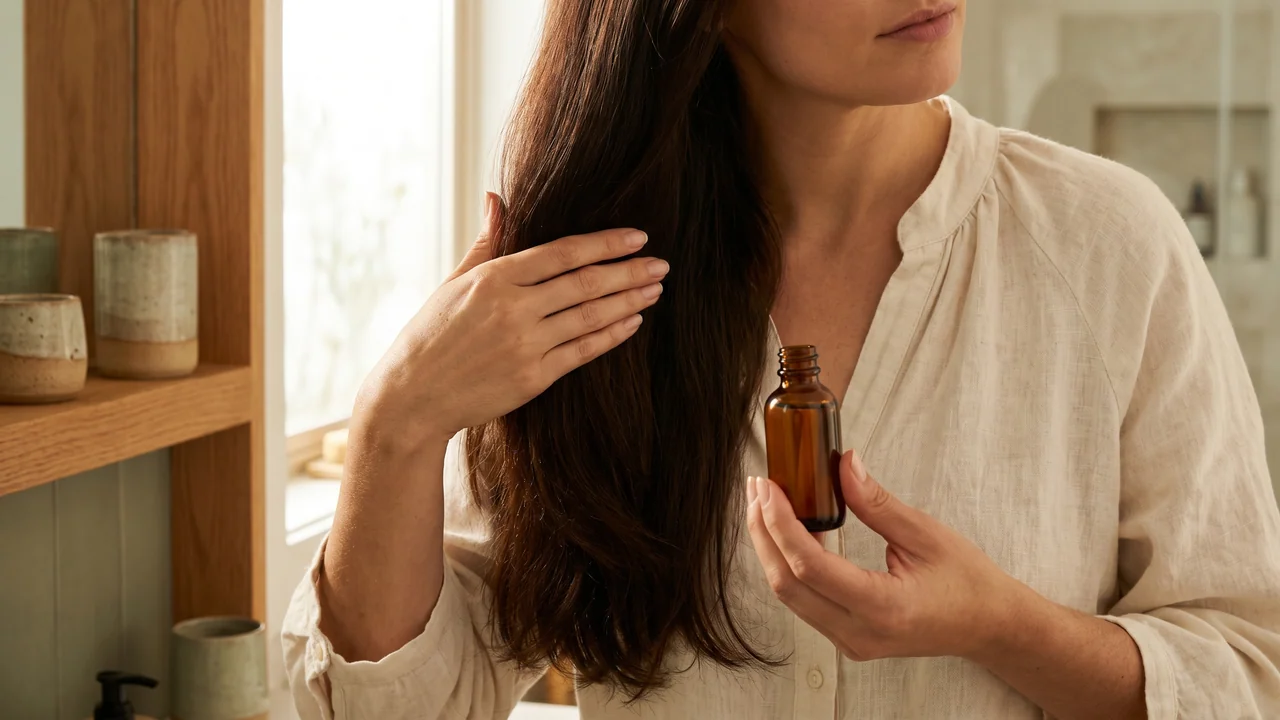
Oiling your hair is popular, and for good reason. Oil makes hair softer, reduces breakage, and adds shine. But across Reddit threads and beauty communities, a different story is becoming more common: people who stopped oiling because they noticed more hair loss.
What is really going on here? And when does oiling actually become a problem?
Oil Does Not Cause Hair Loss, But Wrong Use Can
Oil itself does not pull hair out of your head. But how you use it can cause indirect problems.
The most common issue is buildup on the scalp. Heavy oils that are not rinsed out properly stack up around hair follicles. This can disrupt the skin environment around the follicle, not because oil is toxic, but because a clogged follicle functions less well.
A second effect: oil makes the hair shaft smoother and heavier. That sounds good, but heavier hair breaks more easily during brushing and washing. More hair in the brush is not necessarily more hair loss, it may just be hair that broke earlier than it otherwise would have.
Finally: people who leave oil in and then scrub hard to get it out are damaging the hair shaft through friction. The oil is not the problem, the washing session that follows is.
Which Oils Are Heavier on the Scalp?
Not all oils are the same. Comedogenicity, how quickly an oil clogs pores, also matters for hair follicles.
Oils that are heavier and can build up:
- Coconut oil: popular, but has a high coating effect and is difficult to rinse out
- Castor oil: thick and sticky, great for ends but too heavy as a scalp oil
- Shea butter: not an oil but a butter, hard to wash out cleanly
Lighter oils that are easier on the scalp:
- Kukui oil: one of the lightest plant-based oils, absorbs quickly
- Jojoba oil: similar to sebum, has a balancing effect
- Grapeseed oil: light, fast-absorbing
Kukui oil has a low comedogenicity rating and absorbs quickly without leaving a residue. That makes it more scalp-friendly than heavier oils.
When Is Oiling Actually a Problem?
There are situations where applying oil to the scalp is better avoided.
With seborrheic dermatitis (scalp fungus) Oil can feed the fungus and make symptoms worse. If you have thick, yellowish flakes and redness, see a dermatologist before you start oiling.
With an already oily or quickly oily scalp Extra oil is unnecessary and can throw off the balance further. In that case, apply oil only to the lengths and ends, not the scalp.
With a sensitive or irritated scalp Oil can seal in irritants that need to escape. Let an irritated scalp recover first before starting to oil.
How to Oil Without Problems
A few practical guidelines:
Use less than you think you need. Two to four drops of kukui oil are enough for shoulder-length hair when applying to the scalp.
Massage the oil in with gentle, circular movements. This stimulates blood flow and helps the oil absorb properly.
Leave it on for a maximum of one night. Longer does not give extra benefits and increases the chance of buildup.
Rinse thoroughly. Use two shampoo rounds if you have used a richer oil. A cool-water rinse at the end helps close the hair shaft.
Use a clarifying shampoo every two to three weeks to remove accumulated residue.
Signs You Are Using Too Much
Stop or cut back if you recognize these:
- Your hair still feels greasy after washing
- Your scalp itches more than usual
- You see more hair in the brush after oiling
- Your hair has lost its volume
These are signs of buildup, not damage. Give your scalp a few weeks of rest, use a clarifying shampoo, and then ease back into oiling more carefully.
In Short
Oil does not cause hair loss. But too much oil, the wrong type, or poor rinsing can put stress on the scalp and indirectly lead to more breakage. Choose a lightweight oil like kukui, use small amounts, and rinse well. Done that way, oiling is a useful addition to your hair care routine.
See a dermatologist for persistent hair loss or ongoing scalp issues.
Frequently asked questions
Can hair oil cause hair loss?
Indirectly, yes. Oil itself does not pull hair out, but incorrect use, too much oil on the scalp, not rinsing properly, or oils that clog hair follicles, can irritate the scalp and contribute to more shedding during washing. Used correctly, the risk is small.
Which oils are safest for the scalp?
Lightweight oils with a low comedogenicity rating work best on the scalp. Kukui oil, jojoba oil, and grapeseed oil are good choices. Heavy oils like coconut oil or castor oil can build up on the scalp and put stress on hair follicles.
How often should I oil my hair?
Once or twice a week is enough for most hair types. Daily oiling is unnecessary and can cause buildup. Do not leave oil on your scalp for more than one night at a time.
How do I know if I am using too much oil?
Your hair looks greasy or heavy even after washing, your scalp itches more than usual, you see more hair in your brush after an oiling session, or your hair has lost its volume. These are signs to use less or take a break from oiling.