Kukui Oil and Acne: Does It Help or Make It Worse?
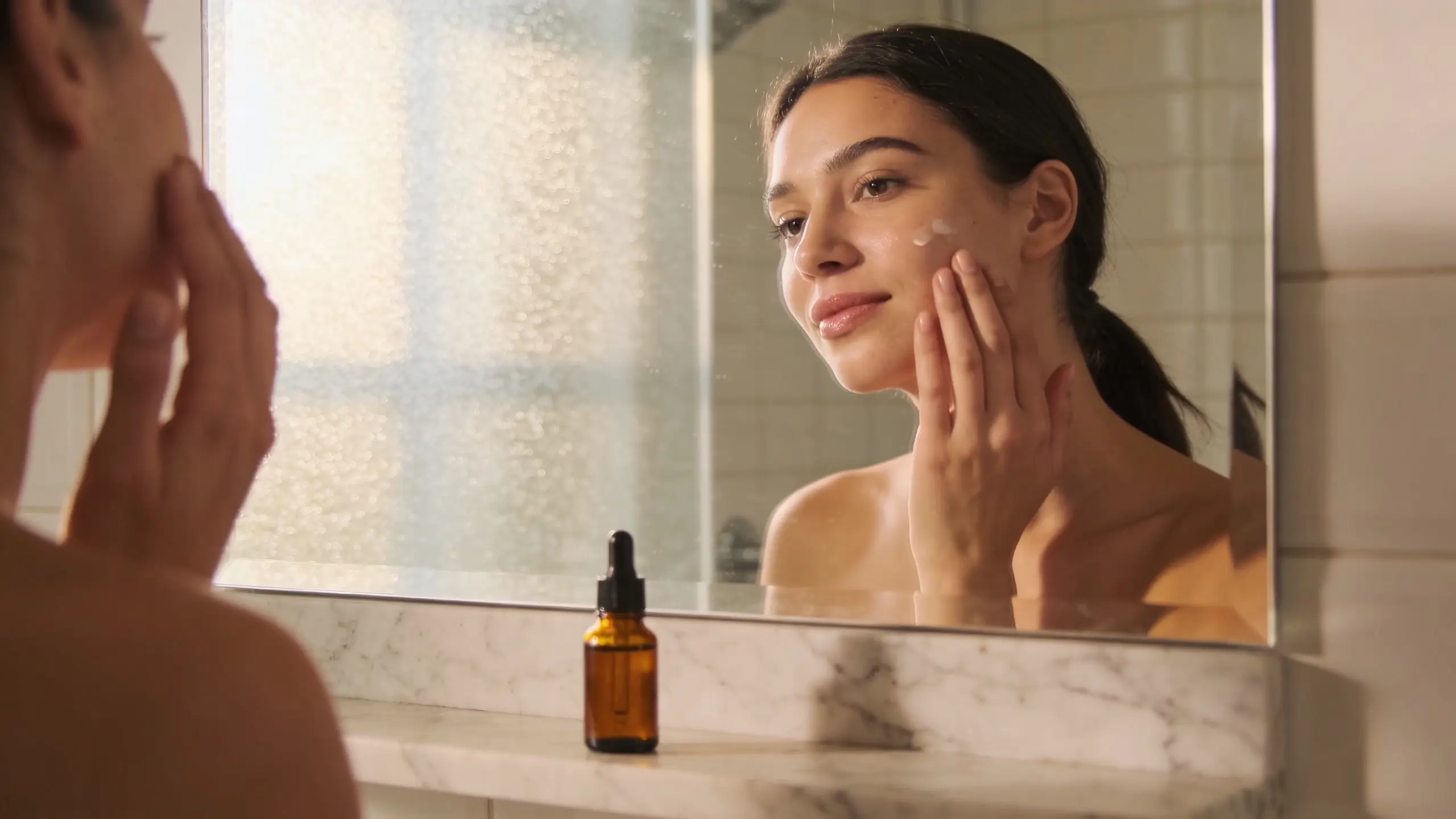
Applying oil to acne-prone skin might feel contradictory. Your pores are already congested, why add oil on top? The reality is more nuanced. Not all oils are the same, and the question is whether kukui oil can play any useful role for skin that’s prone to breakouts.
Here’s an honest answer, without overpromising.
Why oil and acne aren’t always a bad combination
The fear of oil with acne comes from the idea that oil clogs pores. That’s partly true: some oils are highly comedogenic and can contribute to clogged pores. But not all oils do that.
Comedogenicity is a scale from 0 to 5 that indicates how quickly an oil clogs pores. Oils with a low rating (0-2) generally don’t clog pores for most people. Read more about comedogenic ratings and see our list of non-comedogenic oils.
Coconut oil scores high (4) and is not recommended for acne-prone skin. Kukui oil scores around 2, which is low.
Linoleic acid and acne: a connection worth knowing
There’s an interesting link between linoleic acid and acne. Research shows that people with acne have less linoleic acid in their sebum than people without acne. Too little linoleic acid makes sebum thicker and stickier, which increases the chance of clogged pores.
Kukui oil contains around 42% linoleic acid. The theory is that oils high in linoleic acid may positively influence sebum composition.
That sounds promising, but to be honest: there are no large clinical trials proving that kukui oil reduces acne. This reasoning is based on indirect evidence, not a proven treatment.
What kukui oil can do for acne-prone skin
Acne treatments like benzoyl peroxide, salicylic acid, and tretinoin are effective, but they also dry out the skin. A dry, damaged skin barrier can make skin more sensitive and, paradoxically, trigger more oil production to compensate for the deficit.
In that situation, kukui oil can play a role as a hydrating support. It’s light, non-occlusive, and nourishes the skin barrier without interfering with treatment.
Use it as a complement, not a replacement, for your acne treatment.
How to use it safely
Use a small amount, no more than two or three drops. Apply it after your active treatment products as the last step before bed.
Do a patch test first: apply a small amount to your jaw or neck and wait 48 hours. Check for redness, irritation, or new breakouts.
Don’t combine kukui oil with other rich products or heavy moisturizers in the same step. Less is more, especially for acne-prone skin.
What you actually need for acne
Kukui oil is not an acne treatment. If you have moderate to severe acne, proven ingredients are the foundation:
- Salicylic acid unclogs pores and has mild anti-inflammatory effects
- Benzoyl peroxide kills acne bacteria and is available without a prescription
- Adapalene (a retinoid) is available without a prescription and stimulates cell turnover
- Tretinoin and antibiotics are prescription-only and for more serious cases
If acne persists, or if you have cysts or deep pimples, see a dermatologist. They can assess what your skin actually needs.
Summary
Kukui oil isn’t the treatment for acne, but it can be a cautious addition for hydration and barrier support. Its low comedogenic rating makes it a better choice than many other oils, and the high linoleic acid content is interesting, even if the evidence is indirect.
Use it sparingly, test it first, and always combine it with a proven approach for your acne.
Consult a dermatologist for persistent or severe acne.
Frequently asked questions
Does kukui oil make acne worse?
Kukui oil has a low comedogenic rating (around 2 on a scale of 0-5) and does not clog pores for most people. That doesn't mean it works for everyone, every skin is different. Always do a patch test before using it daily.
Can I use kukui oil if I have acne?
Yes, with caution. Kukui oil is not an acne treatment, but it can be used as a supporting oil for hydration and barrier repair. Use small amounts and don't combine it with too many other rich products at the same time.
Which oil is best for acne?
Non-comedogenic oils with a high linoleic acid content are most recommended for acne-prone skin. Think kukui oil, rosehip oil, and hemp seed oil. Jojoba oil is also popular for its sebum-regulating properties.
Isn't acne better treated with medication than oil?
For moderate to severe acne, yes. Proven treatments include salicylic acid, benzoyl peroxide, adapalene, and (by prescription) tretinoin or antibiotics. Oil plays a supporting role at most. Consult a dermatologist for persistent acne.