Kukui Oil for Beard: Softer Beard, Less Itch
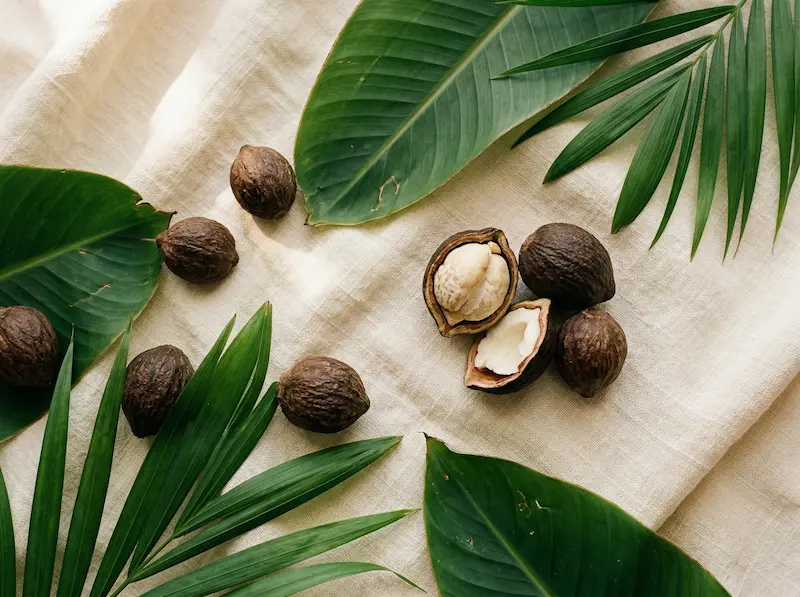
Kukui oil is known as a skin and hair oil, but it works just as well for beard care. The reason is simple: a beard creates a dry environment. The skin under the beard gets less air and moisture, and sebum has a harder time spreading through thick hair. The result is the classic combination of beard itch, flakes, and a coarse feel.
Why Kukui Oil Works for Beard Care
Kukui oil has a composition that matches what the beard and the skin underneath need:
- Linoleic acid (40-45%): A fatty acid naturally present in the skin barrier. People who suffer from dry, flaky skin under the beard often have reduced linoleic acid levels. Replenishing it reduces itch and flaking.
- Oleic acid (approx. 20%): Makes the beard hair itself softer and more manageable.
- Omega-3 (alpha-linolenic acid, approx. 28%): Calms redness and irritation, which often occurs where beard hairs push through the skin.
- Lightweight texture: Unlike heavier oils such as castor oil, kukui absorbs quickly and does not leave a greasy film on the beard.
How to Use Kukui Oil on Your Beard
Step 1: Start with a clean beard. Apply the oil after washing and gently patting dry. Slightly damp skin and hair absorbs oil better.
Step 2: Warm the oil in your hands. Pour 3 to 5 drops into your palm and rub your hands together. This distributes the oil evenly.
Step 3: Work it through. Start at the skin. Use your fingertips to massage the oil into the skin under your beard. Then comb through the beard hair from root to tip with your fingers or a beard comb.
Tip: Use morning and evening for best results. In the morning it conditions and styles, in the evening it lets the oil absorb overnight.
Does It Replace Regular Beard Oil?
For most people, kukui oil can completely replace a commercial beard oil. Ready-made beard oils are usually a blend of carrier oils (often jojoba, argan, or sweet almond) with an added fragrance. Kukui oil gives you those carrier oil benefits in a single pure oil, without fragrance or fillers.
If you prefer a scent, add one drop of cedarwood, sandalwood, or eucalyptus essential oil to your kukui oil. Always use a skin-safe essential oil and keep the ratio low: one drop of essential oil per 10 ml of carrier oil.
Note: Pure kukui oil has a faint, neutral scent, almost odorless. This is ideal if you are sensitive to fragrances or prefer no scent on your face.
Kukui Oil vs Other Beard Oils
| Oil | Feel | Best for |
|---|---|---|
| Kukui oil | Light, absorbs fast | Itchy skin, sensitive skin, acne-prone |
| Argan oil | Medium, conditions | Dry and brittle beard hair |
| Jojoba oil | Similar to sebum, balanced | Most skin types |
| Castor oil | Heavy, thick | Thick beard, very dry ends |
For beard itch and dry skin, kukui is the better choice over argan or castor oil. Its lighter texture keeps the pores under the beard clear and the high linoleic acid content specifically addresses the dryness that causes itch.
Where to Buy Kukui Oil for Your Beard
Use 100% pure cold-pressed kukui oil, not a diluted blend. Check the ingredient list: the only ingredient should be Aleurites moluccana (kukui) seed oil. Our review page lists the best options available.
Tip: A 30 ml bottle lasts about 3 months with daily use on a short to medium beard. For a long or full beard, count on about 2 months.
Frequently asked questions
Can I use kukui oil as a beard oil?
Yes, kukui oil works very well as a beard oil. It is lightweight enough not to make the beard look greasy, absorbs into the skin underneath, and reduces beard itch. A few drops is enough for a full beard.
How much kukui oil do I use for my beard?
Start with 3 to 5 drops. Rub them between your palms and work the oil through the beard from root to tip. For a short stubble 2 to 3 drops is enough. Adjust to the thickness and length of your beard.
Does kukui oil help with beard itch?
Yes. Beard itch is often caused by dry skin underneath the beard. Kukui oil moisturizes that skin with linoleic acid and omega-3, reducing dryness and flaking. Most people notice a difference within one to two weeks of daily use.
What is the difference between kukui oil and argan oil for beard?
Both work well. Kukui oil is slightly lighter and richer in omega-3, which makes it better for sensitive, itchy skin. Argan oil is richer in vitamin E and slightly heavier, better for a dry beard that needs more conditioning. If your skin itches or flakes, go for kukui. If your beard feels brittle, argan may suit you better.