Kukui Oil and Nut Allergies: What You Need to Know Before Using It
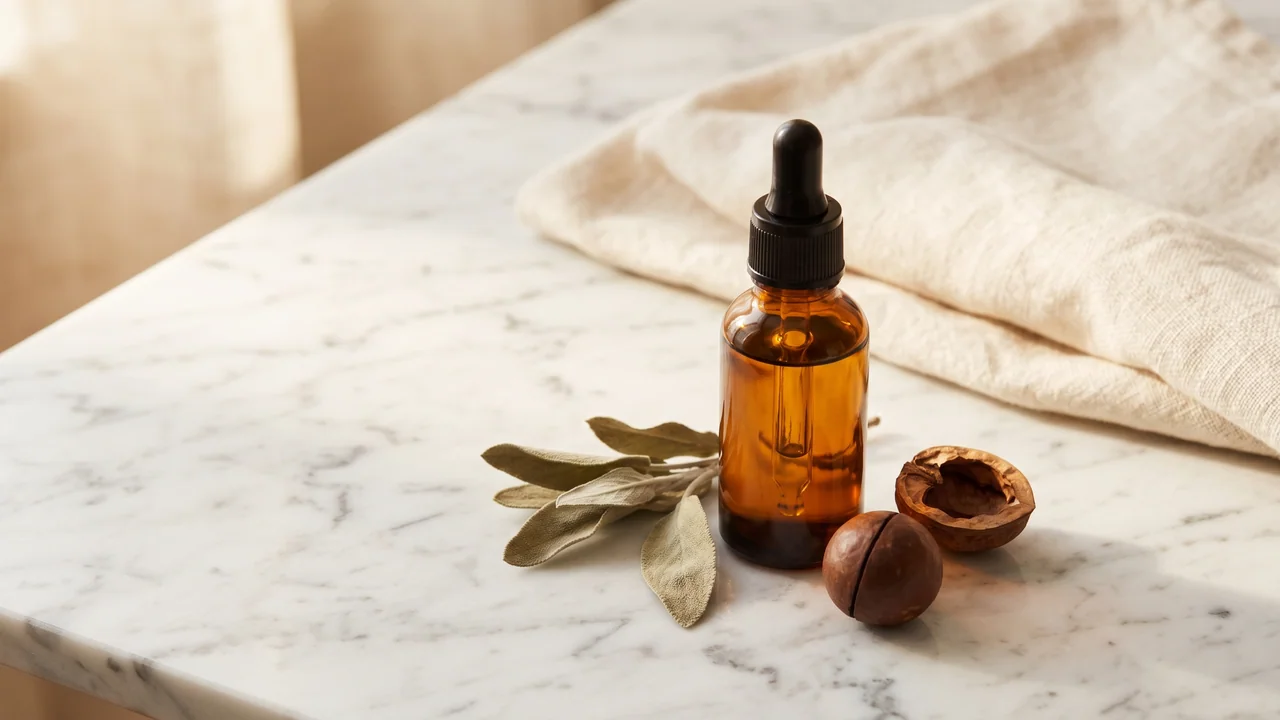
Kukui oil is increasingly used in cosmetics, hair oils, and nail products. People who are sensitive to nuts rightly ask: is this safe for me? The honest answer is that a lot is still uncertain, and caution is wise.
This article summarizes what the science says, and what it does not.
What Exactly Is Kukui Oil?
Kukui oil is extracted from the seeds of the Aleurites moluccana, also known as the candlenut tree or kukui tree. The tree is the state tree of Hawaii and originates from Asia and the Pacific.
Botanically, Aleurites moluccana belongs to the spurge family (Euphorbiaceae), not the rose family where many classic tree fruits like walnuts and pecans belong. This distinction is relevant, but does not automatically mean the oil is safe for everyone with a nut allergy.
On cosmetic labels, you will find the oil listed as “Aleurites Moluccana Seed Oil” or “Kukui Nut Oil.”
What Is Cross-Reactivity?
With a food allergy, your immune system reacts to a specific protein in the allergen. Cross-reactivity occurs when two different substances contain proteins that are similar enough for the immune system to recognize both as a threat.
Cross-reactivity with nuts is a well-known phenomenon. People with a cashew allergy sometimes also react to pistachios because the protein structure is similar. Whether and to what extent kukui shows cross-reactivity with other tree nuts has not been adequately studied.
An important distinction: with cosmetic use, you are dealing with topical exposure to oil, not ingestion. Allergic reactions through the skin (contact dermatitis) follow different mechanisms than food allergies, but they are still possible.
What Does the Available Research Say?
There is very little specific clinical research on allergic reactions to kukui oil in people with an existing nut allergy. The scientific basis for statements about safety is therefore limited.
What we know based on general allergy science:
- Cold-pressed plant oils in principle contain small amounts of residual protein, even after refining. This protein can trigger a reaction in sensitive individuals. Refined oils generally contain less protein than cold-pressed varieties.
- The European Academy of Allergy and Clinical Immunology (EAACI) recommends that people with a clinically confirmed tree nut allergy be cautious with products containing less familiar nut types, including with topical use.
- The fact that someone does not experience a reaction does not necessarily mean use is safe. Allergic sensitization can develop gradually with repeated exposure.
Kukui Oil in Products: Without You Knowing
A practical point: kukui oil is used in many commercial products, including cuticle oils from brands like OPI, hair oils, sunscreens, and massage oils. If you have a known allergy, it is wise to check ingredient lists for “Aleurites Moluccana Seed Oil” or “Kukui Nut Oil.”
Practical Advice
If you do not have a known nut allergy, the risk of a reaction to kukui oil is small. A patch test is always a good idea before you use a new oil extensively.
If you do have a known (tree) nut allergy:
- Do not use kukui oil without consulting an allergist or dermatologist
- An allergist can determine whether targeted testing makes sense
- Never start testing on larger skin areas on your own
When in doubt: caution comes before curiosity.
In Short
Kukui oil is not botanically related to the most common tree nuts, but it is a nut extract. Too little is known about cross-reactivity in people with an existing allergy to make statements about safety. Consult an allergist if you have a known allergy.
Note: Always consult a doctor or allergist if you have a known food allergy and are considering using kukui oil.
Frequently asked questions
Is kukui oil safe if I have a nut allergy?
That is not a simple yes or no. Kukui oil comes from the Aleurites moluccana tree, which botanically does not belong to the classic tree nut group. Still, it is a plant-based nut extract and people with a (tree) nut allergy could in theory react to it. Always consult an allergist or dermatologist before using kukui oil if you have a known allergy.
Is kukui oil used in other products without my knowledge?
Yes. Kukui oil is used in various cosmetics, nail and cuticle oils, hair care products, and massage oils. On the label it is listed as "Aleurites Moluccana Seed Oil" or "Kukui Nut Oil". Check ingredient lists if you have an allergy.
What should I do if I have a reaction after using kukui oil?
Stop use immediately. For a mild skin reaction such as redness or itching: wash the skin with soap and water. For more serious reactions such as swelling, hives, or breathing problems: seek medical help right away. Then consult an allergist for further evaluation.
Should I do a patch test with kukui oil?
Yes, always, regardless of whether you have a known allergy. Apply a small amount to the inside of your wrist or elbow and wait 24 to 48 hours. Only then use the product on larger skin areas.