Bakuchiol vs Retinol: What Is the Difference and Which Is Right for You?
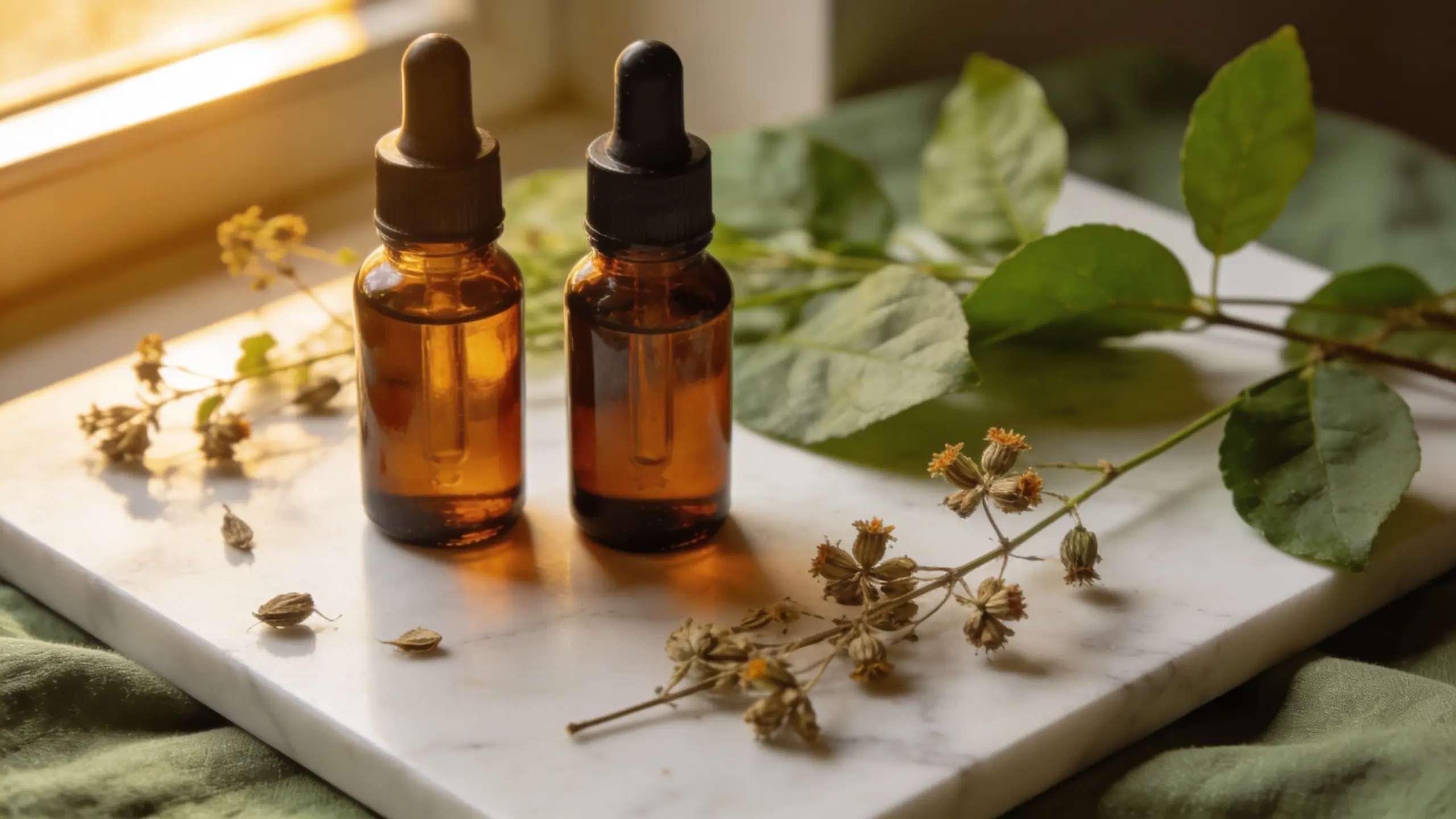
You have probably heard of it: bakuchiol, the plant-based alternative to retinol. It has been showing up in skin care routines more and more in recent years. The question is fair: is it a genuine alternative, or is it mostly marketing?
This article explains exactly what bakuchiol is, how it differs from retinol, and who might benefit from choosing it. Honest and without exaggeration.
What Is Retinol and Why Is It So Popular?
Retinol is a vitamin A derivative and one of the most well-researched ingredients in skin care. It stimulates cell turnover, boosts collagen production, and helps reduce fine lines, uneven texture, and hyperpigmentation.
The downside? Retinol can cause significant irritation, especially at first. Redness, flaking, and tight or sensitive skin are common side effects. This is the so-called retinol adjustment period that many people go through, and not everyone gets through it easily.
Retinol is also photosensitive: use it only in the evening and always wear sunscreen during the day.
What Is Bakuchiol?
Bakuchiol (pronounced ba-koo-chee-ol) is an extract from the seeds of the babchi plant, also known as Psoralea corylifolia. It has been used for centuries in Ayurvedic medicine.
What makes bakuchiol interesting is that it works differently from retinol, but appears to act on the same receptors in certain skin genes. It also stimulates cell turnover and has antioxidant properties, just in a milder way.
It is not chemically related to vitamin A. The term “plant-based retinol” is a bit misleading but understandable: bakuchiol does some of what retinol does, but is structurally completely different.
What Does the Research Say?
In 2019, a study published in the British Journal of Dermatology compared bakuchiol and retinol in 44 participants. Both ingredients showed comparable improvements in fine lines and hyperpigmentation, but the bakuchiol group experienced significantly less flaking and irritation.
That sounds promising, but be honest: this is one study with a small group. Retinol has decades of research behind it. Bakuchiol is promising, but it is not a proven equal alternative across the board.
The Real Differences
Irritation Retinol causes irritation in many people, especially in the first few weeks. Bakuchiol rarely does. If your skin is sensitive or you have not tolerated retinol in the past, this is a meaningful difference.
Day or night use You always use retinol at night because it is photosensitive. Bakuchiol can be used both morning and evening, which makes your routine more flexible.
Results Retinol has more clinical evidence for long-term results, particularly for deeper wrinkles and acne. Bakuchiol also works, but the effects are milder and the research base is smaller.
Sensitive skin and hormonal changes For people with very sensitive skin, rosacea, or a compromised skin barrier, bakuchiol is a more logical first choice. Retinol can further irritate skin in those situations.
Who Is Bakuchiol For?
Bakuchiol is a good option if you:
- cannot tolerate retinol due to irritation or sensitive skin
- want to start with an active ingredient but prefer a gradual approach
- want a flexible routine where you can also use the product during the day
- are looking for a gentler approach to mild skin aging
Retinol remains the first choice if you want proven, clinically supported results for deeper lines or persistent acne. In that case it is worth pushing through the adjustment period.
How to Use Bakuchiol
Start with 2 to 3 times per week in the evening, after cleansing and toning. Apply a small amount and let it absorb before your moisturizer.
A practical approach is to mix bakuchiol with a lightweight carrier oil. This makes it easier to apply and supports your skin barrier at the same time.
Kukui Oil as a Carrier Oil for Bakuchiol
If you combine bakuchiol with an oil, choose a lightweight carrier oil that absorbs well and does not clog your pores. Kukui oil is a good choice here.
Kukui oil has a low comedogenic rating and absorbs quickly without leaving a greasy feeling. The high linoleic acid content supports the skin barrier, which is especially helpful when you are just starting out with an active ingredient and your skin needs time to adjust.
Mix a few drops of bakuchiol with two to three drops of kukui oil and apply the blend to your face. Start with a small amount and build up gradually.
In Summary
Bakuchiol is not a miracle ingredient, but it is not just hype either. It is a mildly active ingredient that is a realistic alternative to retinol for many people, especially if your skin is sensitive.
Want the well-researched results of retinol? Then retinol is still the better choice, if your skin can handle it. Want to build up more gently, or simply cannot tolerate retinol? Bakuchiol is worth trying.
Consult a dermatologist if you have skin concerns or are unsure which ingredient suits your skin.
Frequently asked questions
Is bakuchiol really a good alternative to retinol?
Bakuchiol has shown comparable effects to retinol for fine lines in a number of small studies, but the total body of research is much smaller. For sensitive skin or if you cannot tolerate retinol, bakuchiol is a serious option. Do not expect identical results.
Can I use bakuchiol during the day?
Yes. Bakuchiol is not photosensitive and can be used both morning and evening. Always wear sunscreen during the day, even if you are not using retinol.
Is bakuchiol safe for sensitive skin?
Bakuchiol is generally well tolerated by sensitive skin. Irritation, flaking, and redness occur far less often than with retinol. Always do a patch test if your skin is sensitive.
Which oil pairs best with bakuchiol?
A lightweight carrier oil works best, so the bakuchiol absorbs well without leaving a greasy layer. Kukui oil is a good choice: light in texture, non-clogging, and rich in linoleic acid that supports the skin barrier.