Dry Scalp Oil: Which Ones Help and How to Use Them
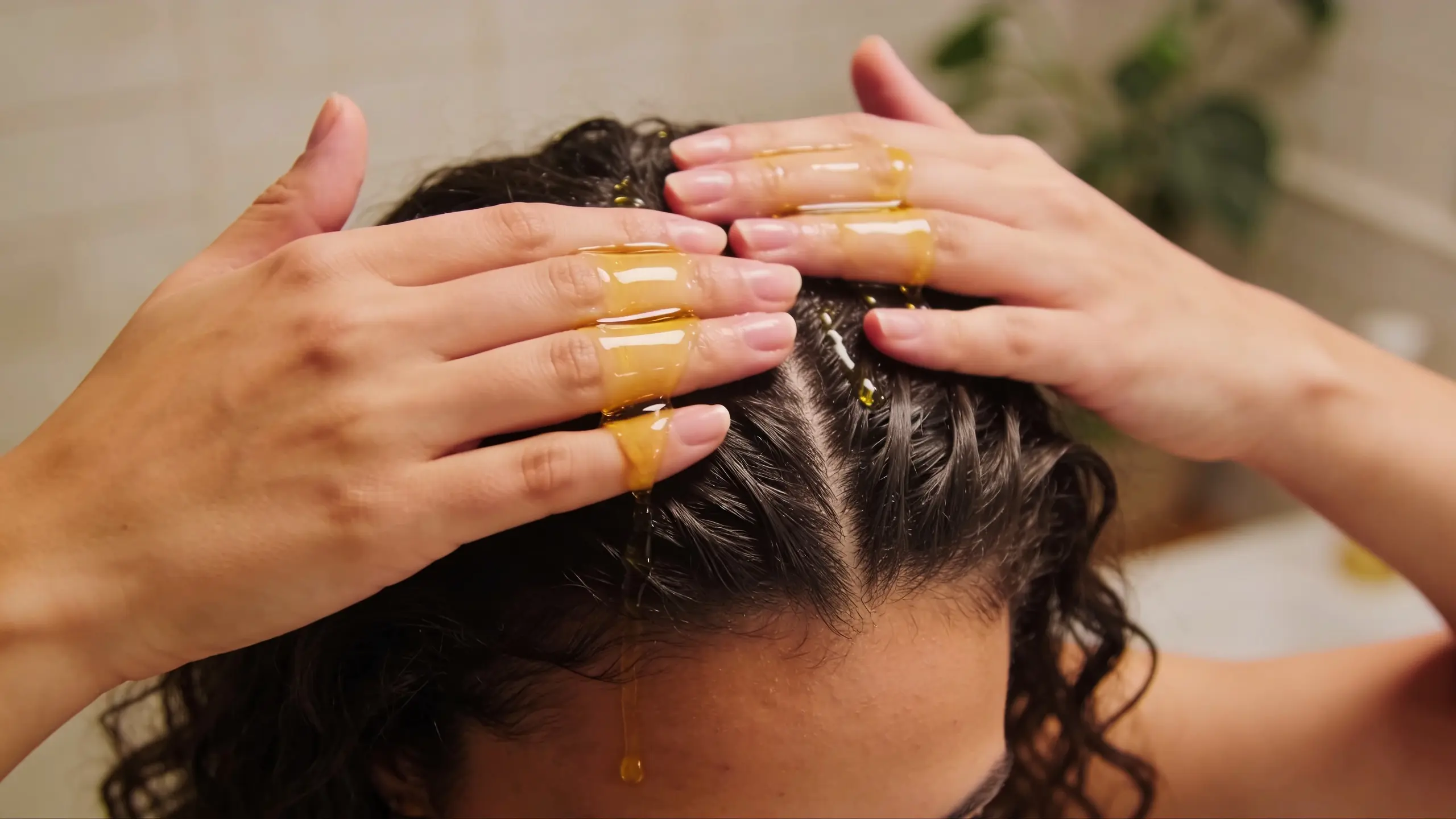
A dry, itchy scalp is frustrating and stubborn. You scratch your head, you see flakes on your shoulders, and no shampoo seems to help. The good news: an oil massage can make a real difference, if you choose the right oil.
Here you’ll find out which oils work, how to use them, and when to hold off.
Why Does Your Scalp Dry Out?
Your scalp is just skin. Like the rest of your body, it can dry out from cold weather, dry air, washing too often, or using the wrong hair products.
Sulfate shampoos don’t just remove dirt, they also strip away the natural oils that protect your scalp. Do that every day and your skin has little chance to recover.
Other causes include central heating that dries out the air, hot showers, and hair products with alcohol.
How Does Oil Help a Dry Scalp?
Oil forms a protective layer on the skin that locks in moisture. It also replenishes the lipid barrier that weakens when your scalp is dry.
This works best with oils that aren’t too heavy and won’t clog hair follicles. That’s especially important on the scalp, where blocked follicles can lead to hair loss or irritation.
Which Oils Work Well?
Kukui oil Kukui oil is one of the lightest plant-based oils available. It absorbs quickly, leaves no greasy feeling, and has a low comedogenicity rating. Its high linoleic acid content supports your scalp’s skin barrier without putting stress on the follicles.
Jojoba oil Jojoba oil is chemically similar to the sebum your skin produces naturally. That gives it a balancing effect, it can top up your natural oils without disrupting production further. Light in texture and well-suited for the scalp.
Argan oil Argan oil is slightly richer than jojoba and kukui, but still manageable. It contains vitamin E and fatty acids that nourish the skin. Good for a dry, brittle scalp that needs a little extra care.
What to avoid Heavy oils like coconut oil or castor oil can clog follicles or cause buildup in some people, especially if not fully rinsed out. They work better as a hair mask than as a direct scalp treatment.
How to Apply It
- Part your hair into sections so you can reach your scalp easily.
- Apply a small amount of oil to your fingertips. Start with less than you think you need.
- Massage the oil gently into your scalp using circular motions. This also stimulates blood flow.
- Leave the oil on for at least 30 minutes. Leaving it overnight gives better results.
- The next morning, wash twice with a gentle, sulfate-free shampoo to remove the oil thoroughly.
Do this once or twice a week. More is not necessarily better.
Kukui Oil in Your Hair Care Routine
Kukui oil works well in hair as a light finishing product after washing, but it’s also a pleasant scalp treatment. Its light texture makes it easy to work into the scalp without leaving your hair feeling greasy afterward.
You can also blend it with other carrier oils if you want a richer mask. A 50/50 mix of kukui and jojoba works well for most skin types.
When Is Oil Not the Right Solution?
A dry scalp and dryness-related dandruff can be relieved with a good oil massage. But seborrheic dermatitis, a fungal infection on the scalp, needs a different approach.
With seborrheic dermatitis, you often see thicker, yellowish flakes and more redness. Oil can actually feed the fungus and make symptoms worse. If you’re unsure what’s causing your scalp problems, see a dermatologist.
In Short
A lightweight oil, used as a weekly scalp mask, can effectively relieve dryness and itching. Choose kukui oil or jojoba if you want a light option that won’t build up. Massage it in well, let it sit, and rinse thoroughly.
If oil alone doesn’t help or your symptoms keep coming back, get it checked by a dermatologist.
Frequently asked questions
Which oil is best for a dry scalp?
Lightweight oils high in linoleic acid, like kukui oil and jojoba oil, work well on a dry scalp. They hydrate without clogging hair follicles. Heavy oils like coconut oil can cause dandruff or buildup for some people.
How long should you leave oil on your scalp?
At least 30 minutes, but leaving it in overnight gives the best results. Cover your hair with a satin cap and wash it out the next morning with a gentle shampoo.
Does oil help with dandruff?
Dandruff caused by dryness can improve with oil. Dandruff caused by seborrheic dermatitis (a fungal condition) needs a different approach. For persistent dandruff or irritation, see a dermatologist.
Can I apply kukui oil directly to my scalp?
Yes. Kukui oil is light enough to use directly. Apply a small amount to your fingertips and massage gently into your scalp. No dilution needed.