LOC Method for Hair: How to Keep Your Curls Hydrated Longer
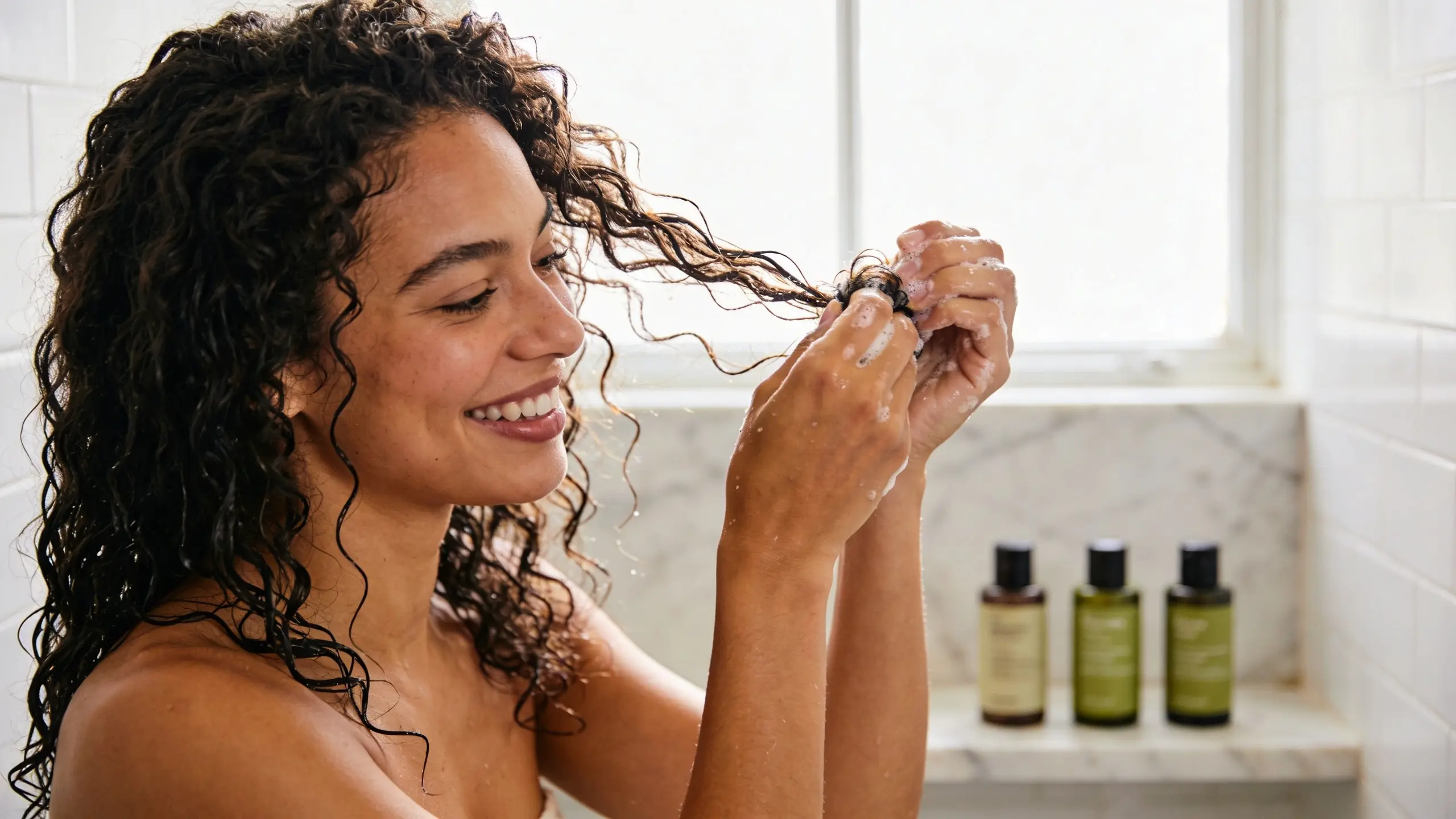
If you have curly hair, you probably know the feeling: you wash your hair, your curls look amazing, and by the next day they are dry, frizzy, and shapeless. The LOC method is a way to prevent that by locking in moisture with multiple layers.
Here you will learn how it works, how to choose the right oil for your hair, and where kukui oil fits in.
What Is the LOC Method?
LOC stands for Leave-in, Oil, Cream. It is a layering routine you follow after washing to lock moisture into your hair for as long as possible.
- L - Leave-in conditioner: a water-based conditioner that brings hydration into the hair
- O - Oil: an oil that acts as a barrier and seals in the moisture from the leave-in
- C - Cream: a styling cream or butter that adds an extra seal and defines the curl
The idea is simple: water is the best hydration for hair, but it evaporates quickly. Oil locks it in, and the cream makes the seal even stronger.
LOC or LCO: Which Works for You?
There is also the LCO method: Leave-in, Cream, Oil. The only difference is that oil comes last.
Which order works better depends on your hair porosity.
High porosity, LOC works well. Your hair’s cuticle is open, which means moisture gets in easily but also escapes quickly. Applying oil as the middle layer helps hold moisture in before you add the cream.
Low porosity, LCO often works better. The cuticle is tightly closed, making it harder for moisture to get inside. If you apply oil first, it blocks the leave-in and cream from absorbing. By using oil as the last step, you seal in what is already there.
Not sure about your porosity? Check out the guide on the best oil for curly hair for more on this.
Which Oil Do You Choose for the LOC Routine?
The oil in the LOC method has one clear job: seal in moisture. For that you want an oil that absorbs well and does not leave a heavy residue.
For low porosity Choose a lightweight oil that absorbs quickly. Good options are kukui oil, jojoba oil, and grapeseed oil. They leave no residue and do not block the cuticle.
For high porosity You can handle more. Lightweight oils work, but you can also use slightly richer options like argan oil or a blend of kukui with a small amount of castor oil for extra sealing power.
Avoid for LOC Coconut oil works for some hair types, but it is heavy and can build up with regular use. Pure castor oil is too thick for most hair as a standalone oil in the LOC method.
Kukui Oil in the LOC Routine
Kukui oil is light, absorbs quickly, and does not leave your hair feeling greasy. That makes it a great choice for the O step in the LOC method, especially for hair with low to medium porosity.
Its high linoleic acid content supports the hair shaft and helps keep hair soft and shiny. Because it is so lightweight, it is easy to control the amount without worrying about your hair feeling heavy.
Want to learn more about using kukui oil in your hair care? Read the guide on kukui oil for hair and curls.
Step by Step: the LOC Routine
- Wash your hair and gently squeeze out excess water with a microfiber towel or an old T-shirt. No rubbing.
- Apply the leave-in conditioner in sections on wet hair. Distribute evenly.
- Add a small amount of oil. Two to four drops of kukui oil for medium-length hair is a good starting point. Work it through with your fingers or a wide-tooth comb.
- Apply the styling cream or butter. Scrunch it upward for definition.
- Air dry or use a diffuser on a low setting.
Less product than you think you need is a good rule of thumb. Buildup is one of the most common problems with the LOC method.
Tips for Dealing with Buildup
If your hair looks dull and heavy after a few days, you are probably using too much product. Try:
- Using less oil and cream
- Using a clarifying shampoo every two weeks to remove buildup
- Switching to the LCO order if you have low porosity
Scrunching and the LOC Method
The LOC method pairs well with scrunching as a curl-defining technique. Scrunch the cream upward into your hair after step 4 for more volume and curl definition. Let your hair dry completely before touching it to avoid frizz.
In Short
The LOC method is an effective way to keep your curls hydrated longer. Choose the order (LOC or LCO) based on your porosity, use a lightweight oil like kukui for sealing, and be mindful of how much product you use.
It takes a few weeks of experimenting to find the right amounts and products. That is completely normal and part of the process.
Frequently asked questions
What is the difference between LOC and LCO?
With LOC you apply a leave-in conditioner first, then oil, then a cream. With LCO the order is leave-in, cream, oil. LCO tends to work better for fine hair or low-porosity hair, because the oil comes last without blocking moisture before it can be absorbed.
Which oil do you use with LOC for low-porosity hair?
Lightweight oils that absorb quickly, like kukui oil, jojoba oil, or grapeseed oil. Heavy oils like coconut oil or castor oil can sit on top of low-porosity hair and form a layer instead of absorbing.
How often do you do the LOC method?
That depends on your hair. Most people do it after every wash, which is usually once or twice a week. Fine hair can be more prone to buildup, so do it less often or use less product.
Does LOC work for non-curly hair?
LOC was developed for curly and coily hair, but it also works for waves or dry straight hair. Use smaller amounts of product. Start light.