Kukui Oil vs Rosehip Oil: Which One Suits Your Skin?
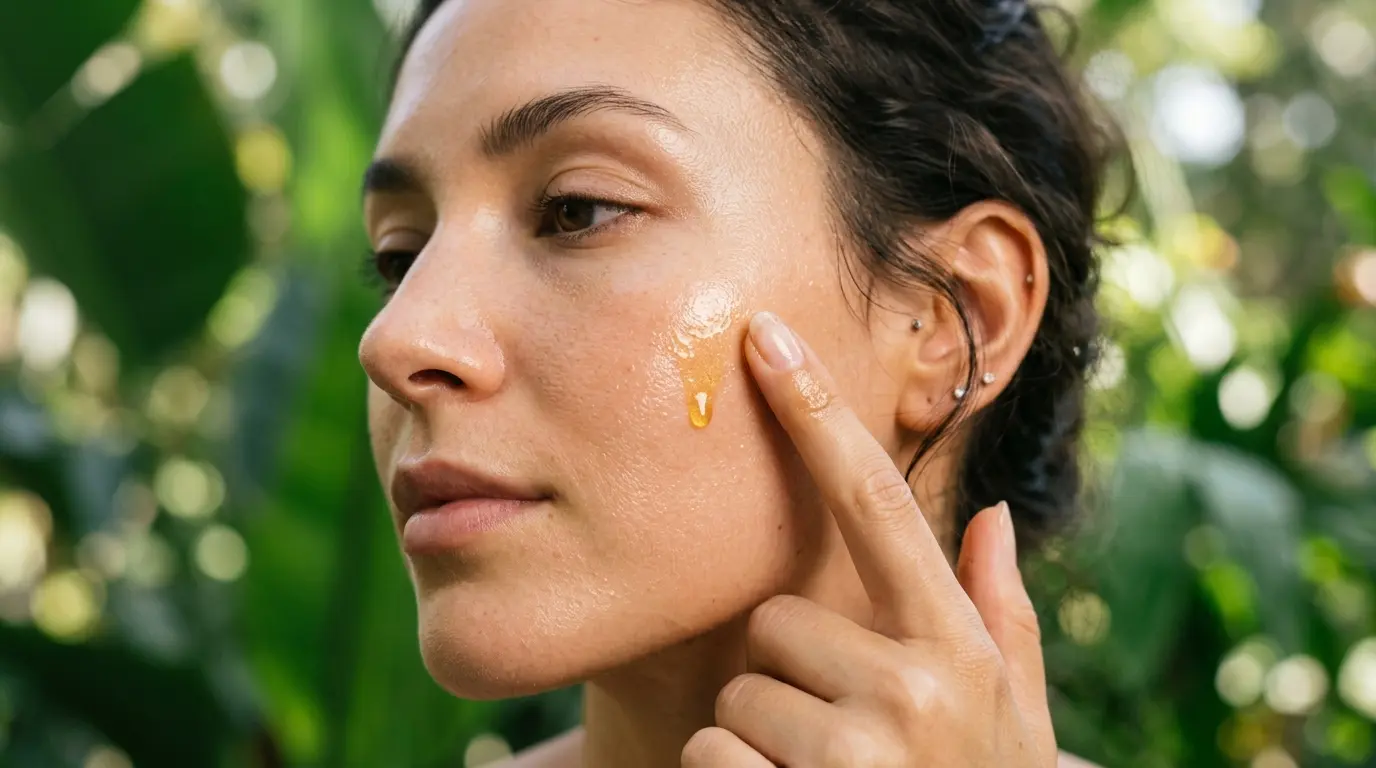
Two popular face oils, each with their own specialty. Kukui oil is known for its calming effect; rosehip oil is known for fading scars and fighting skin aging. We compare them on composition, texture, and suitability per skin type.
Quick overview
| Property | Kukui oil | Rosehip oil |
|---|---|---|
| Origin | Hawaii, Asia | Europe, Chile |
| Texture | Very light, dry | Light to medium |
| Absorption | Fast | Moderate |
| Comedogenicity | 2/5 | 1/5 |
| Shelf life | 12-18 months | 6-12 months |
| Price | $$$ | $$ |
| Best for | Sensitive, eczema skin | Scars, anti-aging |
Origin and production
Kukui oil is pressed from the nuts of the kukui tree (Aleurites moluccana), the state tree of Hawaii. The oil is cold-pressed and has been part of Hawaiian medicine for centuries. More about kukui oil
Rosehip oil comes from the fruit of wild roses (Rosa canina or Rosa rubiginosa), grown mainly in Chile and Europe. The oil has a distinctive golden-orange color from its high carotenoid and vitamin A content.
Note: Rosehip oil is one of the few plant oils that naturally contains vitamin A (retinol). This makes it popular as a natural alternative to synthetic retinol products.
Composition compared
| Fatty acid | Kukui oil | Rosehip oil | Effect |
|---|---|---|---|
| Linoleic acid (omega-6) | 42-44% | 35-50% | Strengthens skin barrier |
| Alpha-linolenic acid (omega-3) | 28-30% | 25-35% | Anti-inflammatory |
| Oleic acid (omega-9) | 5-8% | 14-22% | Hydration |
| Vitamin A (retinol) | Absent | High | Cell renewal, anti-aging |
| Vitamin E | Low | Moderate | Antioxidant |
The most notable difference: rosehip oil contains natural vitamin A, kukui oil does not. In terms of essential fatty acids, they are closer than you might expect - both are rich in linoleic acid and alpha-linolenic acid.
Skin: which type benefits from which oil?
Sensitive and irritated skin
Kukui oil has a slightly higher omega-3 content and a drier texture that is less likely to cause reactions. For skin that reddens easily or reacts to products, kukui is the safer choice.
Winner: kukui oil.
Scars and pigmentation
The natural vitamin A in rosehip oil stimulates cell turnover, which helps scars fade faster. Several studies confirm this effect with regular use over 6-12 weeks.
Winner: rosehip oil.
Anti-aging
Vitamin A is one of the best-researched anti-aging ingredients. Rosehip oil delivers it in a natural form that is gentler than synthetic retinol, but effective for fine lines and an uneven skin tone.
Winner: rosehip oil.
Eczema and inflammation
Kukui oil’s high alpha-linolenic acid content gives it a clear advantage for inflammation-related skin conditions. Read more about kukui oil for eczema
Winner: kukui oil.
Texture and use
Kukui oil has a drier, lighter texture and absorbs faster. Rosehip oil feels slightly richer and has a distinctive golden-orange color that can leave light stains on light fabrics.
Tip: Apply rosehip oil in the evening to avoid staining clothing. The orange tint disappears completely once the oil has absorbed.
For the face: use 2-4 drops, applied to slightly damp skin after toner or serum.
Price and availability
Rosehip oil is more widely available and generally cheaper than kukui oil. Pay extra attention to shelf life with rosehip oil - it oxidizes faster than most other face oils.
When buying either oil, look for:
- Cold-pressed
- Unrefined
- 100% pure with no additives
- Dark bottle (protects against oxidation)
Benefits and drawbacks
Benefits of kukui oil compared to rosehip:
- Lighter and drier texture
- Slightly richer in omega-3 (anti-inflammatory)
- Better for eczema and sensitive skin
- No fabric staining
Drawbacks of kukui oil compared to rosehip:
- No vitamin A (no anti-aging effect)
- More expensive and harder to find
- Less research available
- Higher comedogenicity score (2 vs 1)
Conclusion: when to choose which?
Choose kukui oil if you:
- Have eczema, psoriasis, or inflamed skin
- Want an extremely light face oil
- Have sensitive skin that reacts easily
Choose rosehip oil if you:
- Want to reduce scars or pigmentation
- Are looking for a natural anti-aging product
- Want a well-researched ingredient with proven results
Want to know how kukui oil compares to other oils? See our comparisons with argan oil and jojoba oil.
Curious how kukui oil stacks up against other oils? See all comparisons
Looking for the best kukui oil? See our top picks
The information on this page is for informational purposes only and is not a substitute for medical advice. Consult a doctor or dermatologist for serious skin conditions.
Frequently asked questions
What is the difference between kukui oil and rosehip oil?
Kukui oil is lighter in texture and richer in alpha-linolenic acid (omega-3), making it ideal for sensitive and eczema-prone skin. Rosehip oil contains more vitamin A (retinol) and is more popular for anti-aging, scars, and pigmentation.
Which oil is better for scars?
Rosehip oil is the preferred choice for scars and pigmentation thanks to its natural vitamin A (tretinoin). Kukui oil can help calm inflamed skin around scars.
Can I combine kukui oil and rosehip oil?
Yes, that works well. Mix a few drops of each for a combination of calming (kukui) and repair (rosehip). This is a good match for skin that is both sensitive and showing signs of aging.
Which oil clogs pores less?
Both oils score low on the comedogenicity scale. Rosehip oil scores 1, kukui oil scores 2. Both are suitable for most skin types, including combination skin.